
Goals and screening
Discuss goals, activity history, injuries, and any medical conditions that affect exercise.
Fitness programming is the work of turning general exercise advice into a specific plan: which exercises, how much, how often, and how to progress. A good program fits the person's current ability, schedule, equipment, and goals, and changes as those change.
National physical activity guidelines give a useful baseline for adults: at least 150 minutes a week of moderate aerobic activity, or an equivalent amount of vigorous activity, plus muscle-strengthening activities on two or more days a week. Balance work is also recommended for older adults. Many people are far from those targets, and a program helps close the gap step by step.
For people recovering from an injury or managing ongoing back, neck, or joint discomfort, programming also involves choosing movements that are tolerable now and building load gradually. Strength, mobility, and conditioning are progressed in small increments, with attention to form and recovery between sessions.
Programs are most effective when they are realistic. Two well-planned sessions a week that actually happen are more valuable than an ambitious plan that is abandoned. Check-ins allow the plan to be adjusted for progress, setbacks, travel, or new goals. People with heart, lung, or other medical conditions should check with their physician before starting a new exercise program.
Fitness Programming is on the therapies and services list at Precision Chiropractic ATX. Your doctor can tell you whether it fits your plan.
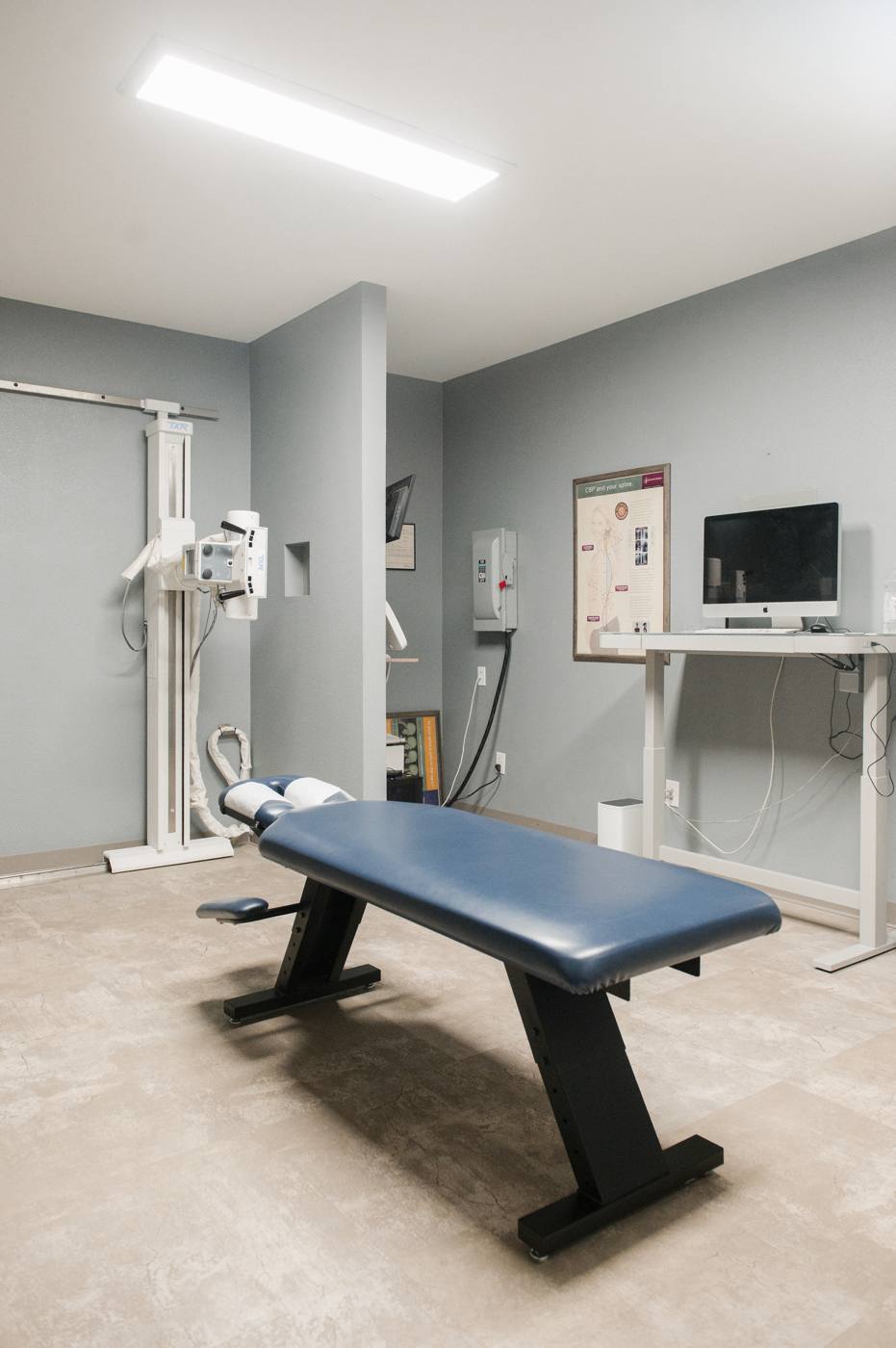
Discuss goals, activity history, injuries, and any medical conditions that affect exercise.
Check movement, strength, and conditioning with simple, safe tests.
Set exercises, frequency, and progression, and teach form for key movements.
Revisit the plan regularly to progress, modify, or change focus.
The plan begins from your current fitness, schedule, and equipment.
Aerobic, strength, and balance work are organized around national activity guidelines.
Load and difficulty increase in small steps to build capacity over time.
Regular check-ins keep the program matched to progress and life changes.
National guidelines suggest at least 150 minutes of moderate activity weekly, plus muscle-strengthening on two or more days.
Often yes, with movements chosen for current tolerance. Severe or worsening symptoms should be evaluated first.
No. Programs can use bodyweight, bands, or home equipment.
It varies with consistency, starting point, and goals. Small, steady changes are typical.
Learn more: Physical Activity Guidelines for Americans (ODPHP)
Jon Eberle, DC and Chris Hagen, DC, Doctors of Chiropractic, and Peter Lenhart, Director of Rehab.

CBP-Trained Doctor of Chiropractic

Director of Rehab