
Intake conversation
Discuss current habits, health priorities, and what you would like to change.
Wellness coaching is a structured, collaborative process for making and sustaining changes in everyday health habits. Instead of handing over a list of instructions, a coach helps you clarify what matters to you, choose goals that are realistic, and plan how to work toward them.
Common focus areas include physical activity, sleep, stress, eating patterns, and the daily routines that support or get in the way of those. Coaching sessions often use techniques such as motivational interviewing, goal setting, and action planning. Progress is reviewed regularly so plans can be adjusted when something is not working.
The distinguishing feature is that you lead. A coach asks questions, reflects back what they hear, and helps you work through obstacles, but the goals and the pace are yours. This approach is often used alongside clinical care, helping people follow through on recommendations from their healthcare providers.
Coaching is not medical care, psychotherapy, or a substitute for either. It does not diagnose or prescribe. When concerns come up that need a physician, mental health professional, or other specialist, a coach should point you toward the right resource. National certification standards exist for health and wellness coaches, and asking about training and credentials is reasonable.
Wellness Coaching is on the therapies and services list at Precision Chiropractic ATX. Your doctor can tell you whether it fits your plan.
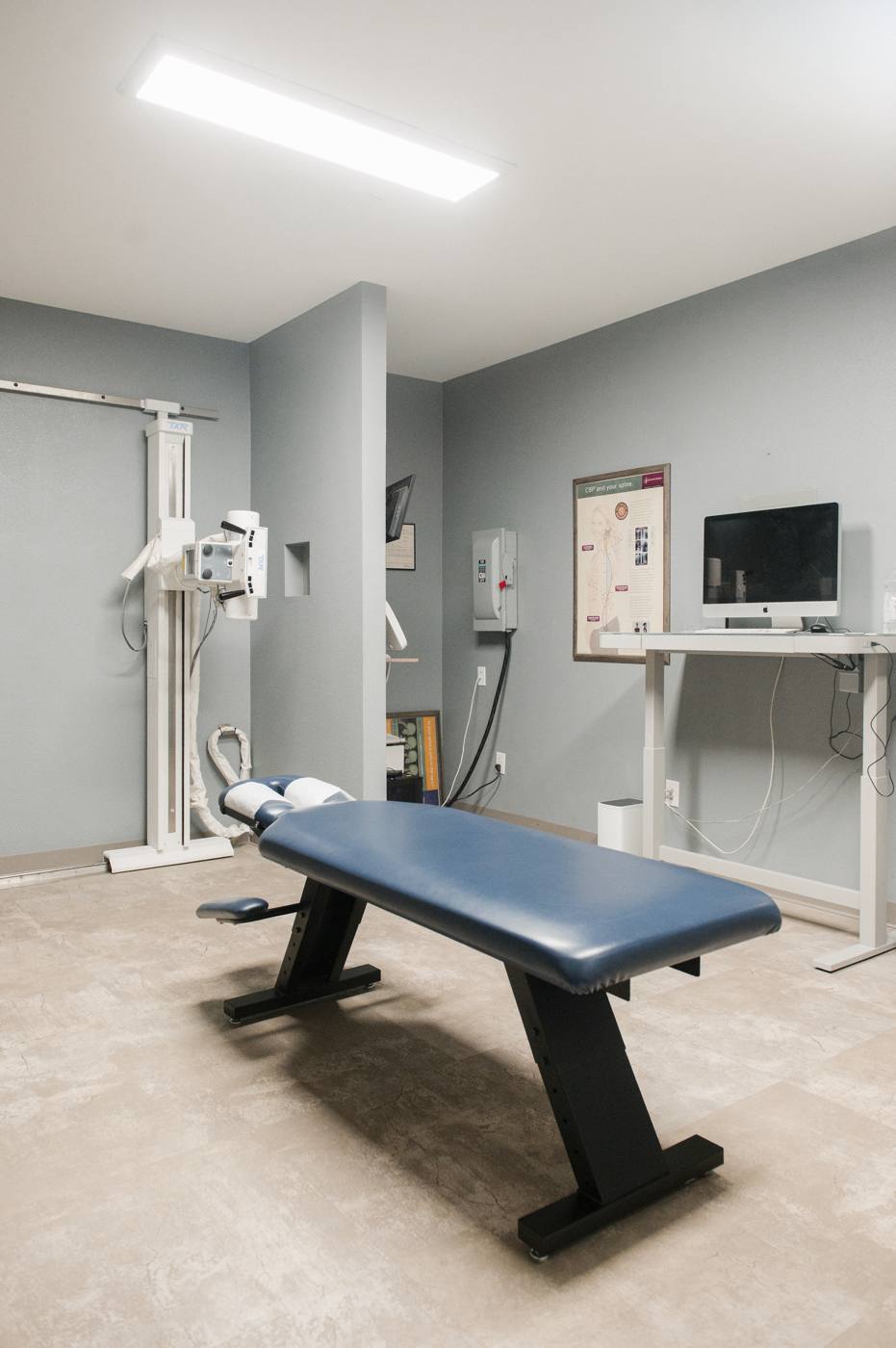
Discuss current habits, health priorities, and what you would like to change.
Choose one or two specific, realistic goals and define how progress will be noticed.
Plan concrete steps and anticipate obstacles.
Review progress, celebrate wins, and revise the plan as needed.
Goals reflect your own priorities rather than a generic program.
Sessions focus on practical, repeatable changes in daily routines.
Regular check-ins help you follow through and adjust plans.
Coaching can support follow-through on recommendations from your healthcare providers.
No. Coaching focuses on goals and habits. It does not diagnose or address mental health conditions, which call for a licensed professional.
Common areas include activity, sleep, stress, eating patterns, and daily routines.
It varies. Many people meet every week or two at first, then less often.
Training varies. A national board offers certification for health and wellness coaches, and it is fair to ask.
Learn more: National Board for Health & Wellness Coaching
Jon Eberle, DC and Chris Hagen, DC, Doctors of Chiropractic, and Peter Lenhart, Director of Rehab.

CBP-Trained Doctor of Chiropractic
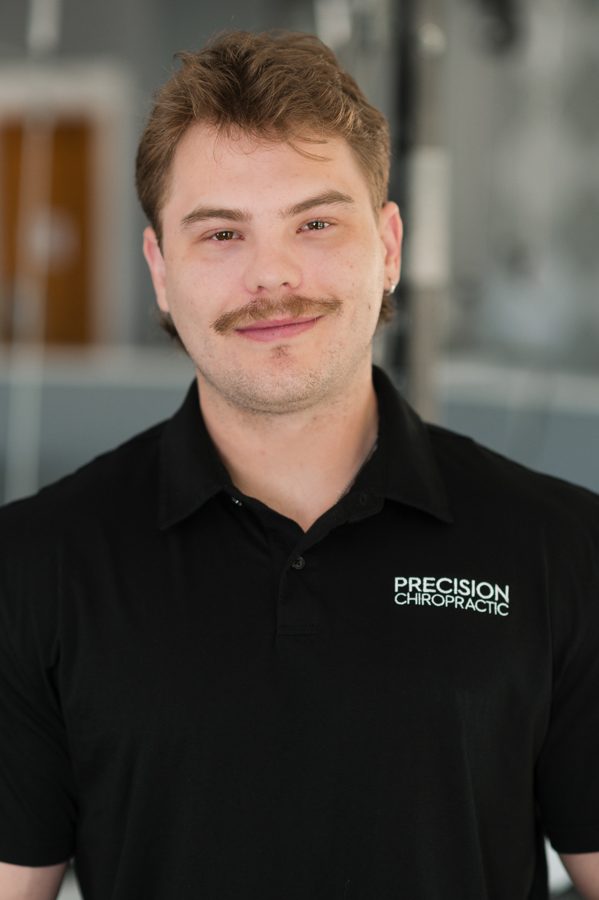
Director of Rehab