
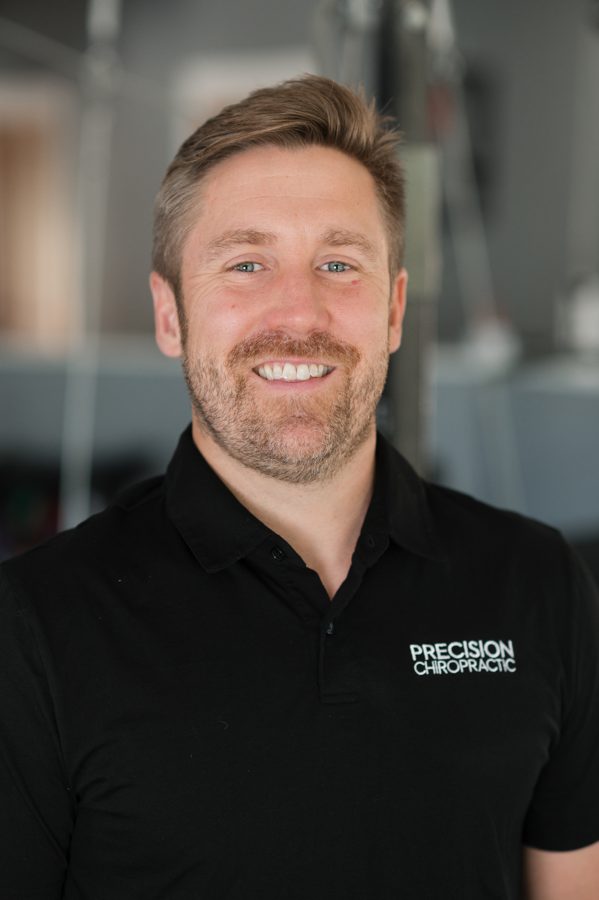
Jon Eberle, DC
CBP-Trained Doctor of Chiropractic
Group classes in Dripping Springs for people who want health information in plain language, with time to ask questions. Dates, length, and fee are TBD.
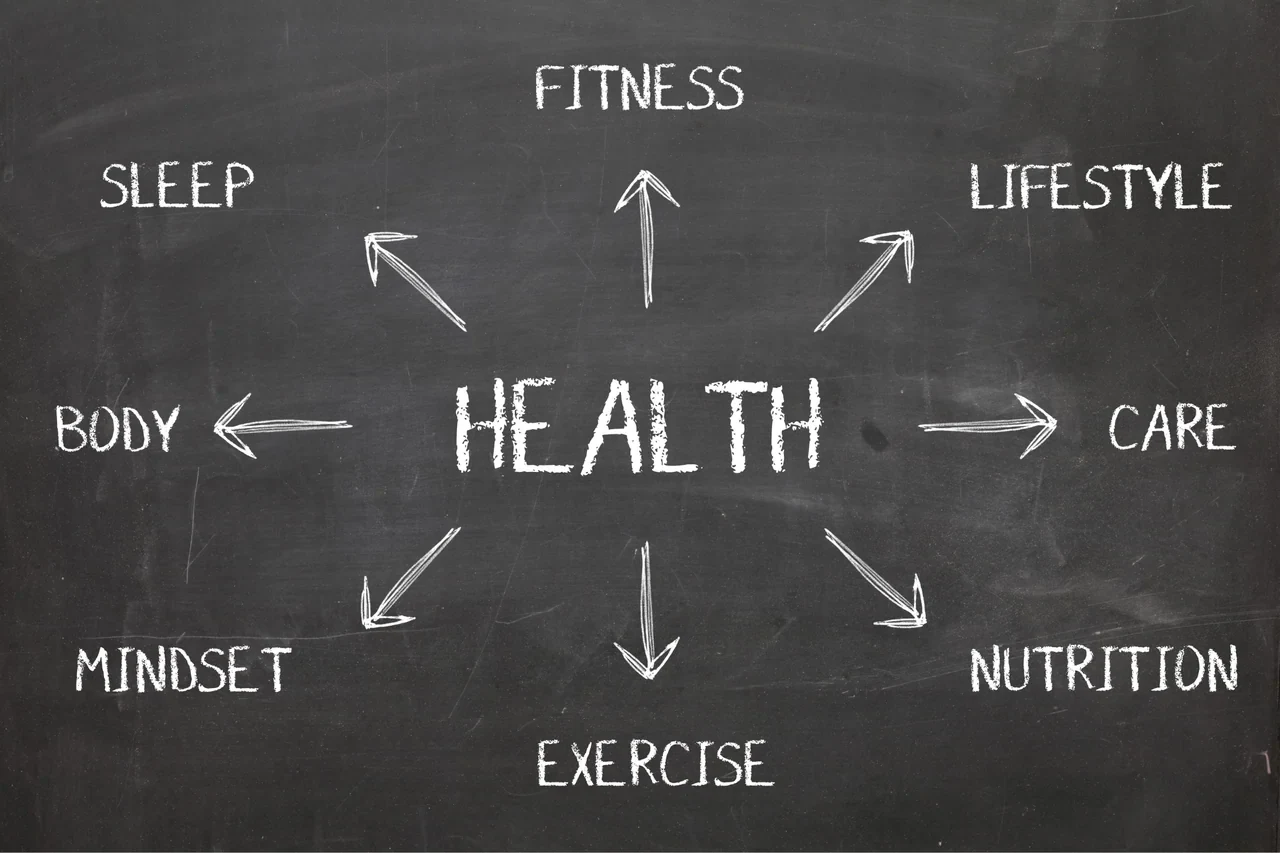
Health care classes are group education sessions. Someone on the team walks through everyday health information in plain language, so you can find it, understand it, and use it when you decide what to do next. A class is not an adjustment, not an exam, and not a stand-in for a visit with your chiropractor or with your own clinician.
Health information usually shows up at a bad moment: a portal note, a label, a form, or a search result, often while you are already sore, tired, or short on time. Here is what a health care class is for, who tends to get something from it, what a session is like, and what we will not claim it does.
A health care class is a scheduled group session with one job: understanding. You hear a topic explained without the jargon, you get room to ask the question that felt too basic for a rushed visit, and you leave with a clearer sense of what the information is asking you to do. The room does not examine you. It does not adjust you. It does not write you a personal plan, and it does not replace the visit where someone looks at your history and how you move.
People in Dripping Springs, TX, and the towns around them come for ordinary reasons. They are not looking for a lecture or a product. They want a slower explanation than a single visit can hold, and a place where a plain question is welcome.
The posted topic, the day, and the time for the next class are TBD. This page will not invent a calendar. When you ask, you should get the real date, or a straight answer that nothing is scheduled yet. Who may attend, whether the room is open to the public or held for people already under care, is TBD in the same way. We will say which it is before you set aside the time.
A session has a shape. The person leading it introduces the topic, shows the information the way a person actually meets it, and stops for questions. That might be a short handout, a label, a common instruction, or a question we hear all week. You are not put on the spot. You can listen the whole time. If a question is really about your own case, we will say so and point you to a visit, because a group room is the wrong place to sort out one person's history.
Whatever the posted topic is that day, the hour is built around the same kind of work. The specific title on the calendar is TBD until the office posts it. The work underneath it is not a mystery:
Session length is TBD. Some classes run about an hour and some run shorter, and we will tell you the length before you hold the time. You do not need to prepare, and you do not need to bring records. Come as you are. If a topic needs a clinician who is not in the room, or a kind of advice this office does not give, we will say that rather than guess. People across Dripping Springs, Driftwood, Lakeway, Oak Hill, Wimberley, and Austin can ask the same question and get the same straight limit.
The fee is TBD. Whether a given plan pays for a class is also TBD. An education session is often billed differently from a chiropractic visit, and we will not guess which side your plan falls on or what you will owe. No referral is required to ask about a class. Before you commit, we go over the cost in plain numbers, including what happens if you need to cancel. If you are paying out of pocket, the number comes first, not at the door.
We cannot promise a specific outcome, and we cannot promise what your insurance will cover. A class is education. What we can promise is plain language, a real date or an honest not-yet, and the price before you decide.
Nearly 9 out of 10 adults struggle with health literacy. People who read well in other parts of life can still have trouble using health information when they are stressed or the wording is unfamiliar. A class is one plain-language hour aimed at that gap. It is not a promise that anyone's health will change.
Source: Network of the National Library of Medicine (NNLM), An Introduction to Health Literacy. The page states: "Nearly 9 out of 10 adults struggle with health literacy." nnlm.gov
A class is education, separate from a chiropractic visit. Whether a given session is open to anyone or held for people already under care is TBD, and we will say which one it is when we tell you the date. Either way, the room is not an exam and you are not signed up for a course of visits by walking in.
The topic posted for a given date is TBD. The aim stays the same: help with finding health information, reading it for the action it asks for, and knowing which questions belong in a visit. We will name the topic before you sign up. You should not have to sit through a surprise lecture, and we will not dress up a product talk as a class.
We cannot promise that. A class does not examine you and does not adjust you, so it is the wrong next step if what you need is care for a sore back, a stiff neck, or an injury. People often leave with a clearer reading of instructions they already had. That is a change in understanding. It is not a change we can promise in pain, energy, or how you move. If you are hurting, book a visit.
Length, day, and time are TBD. Ask, and we will give you the posted session or tell you that nothing is on the calendar yet. Please do not hold an evening on a guess. If a class is full, or if we have not set the next date, we will say that rather than put you on a list you did not ask for.
That is the reason the class exists. Ask, or ask again. If the honest answer is about your own history, we will move it to a visit rather than sort it out in front of the group. You can also sit and listen. There is no test, no grade, and no requirement to speak. Leaving with one clearer question is a fine result for the hour.
Chiropractic care
The visit a class does not replace, when someone needs to look at how you move.
Same-week visits for new patients. For a class, we will tell you the real date or that it is not scheduled yet.
Jon Eberle, DC and Chris Hagen, DC, Doctors of Chiropractic, and Peter Lenhart, Director of Rehab.
CBP-Trained Doctor of Chiropractic
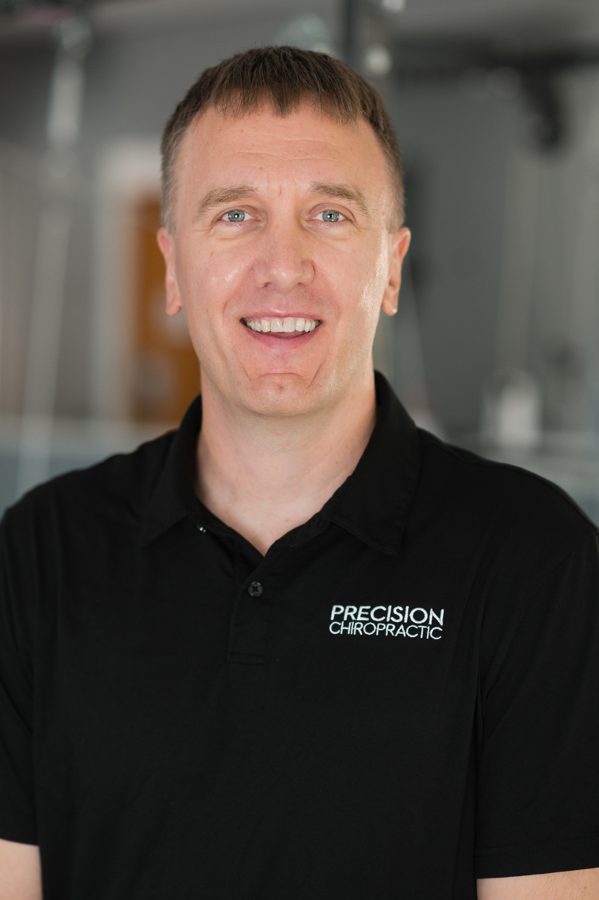
Chiropractic Biophysics
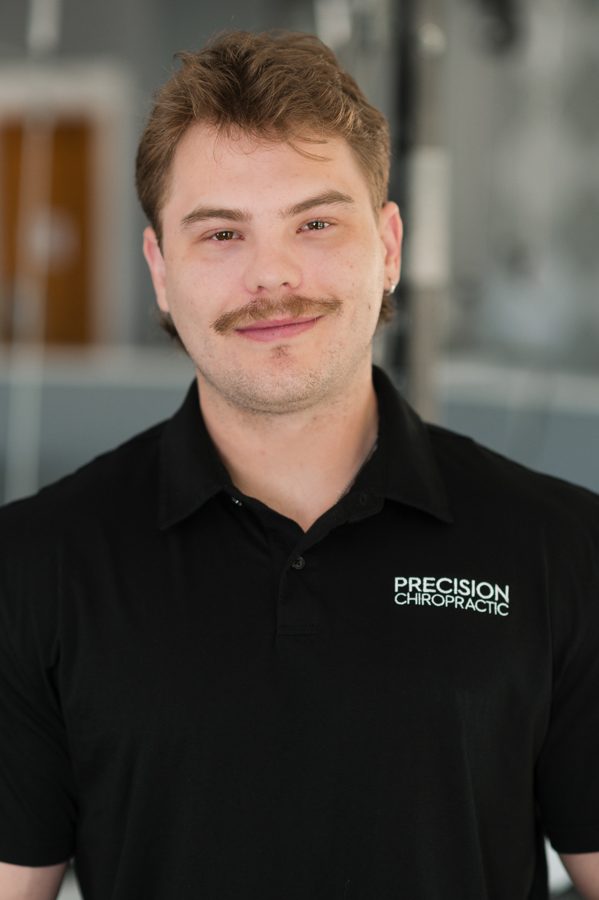
Director of Rehab