
Goals and history
Discuss what you want to change, current eating patterns, and any medical conditions or diet restrictions.
Nutritional counseling is a conversation about food that starts with how you actually live. What you eat on a busy weekday, how meals fit around work and training, and what you want to change are all part of the picture. The goal is a pattern you can keep, not a short burst of rules.
Most guidance draws on well-established public health principles: plenty of vegetables, fruit, whole grains, and lean proteins; enough water; and less added sugar, sodium, and heavily processed food. Within that frame there is a lot of room for personal preference, culture, budget, and schedule. Counseling helps translate general advice into choices that work for one person.
Nutrition also connects to the rest of a musculoskeletal care plan. Body weight affects load on the spine and joints. Protein intake and overall energy matter when someone is rebuilding strength. Hydration and regular meals affect how people feel during exercise and recovery. Talking about these links can make the rest of a plan easier to follow.
Counseling is educational and supportive. It is not a substitute for medical nutrition therapy for diabetes, kidney disease, eating disorders, or other medical conditions, which call for a physician or registered dietitian. When a question falls outside general guidance, the right step is a referral to the appropriate professional.
Nutrition / Metabolic Counseling is on the therapies and services list at Precision Chiropractic ATX. Your doctor can tell you whether it fits your plan.
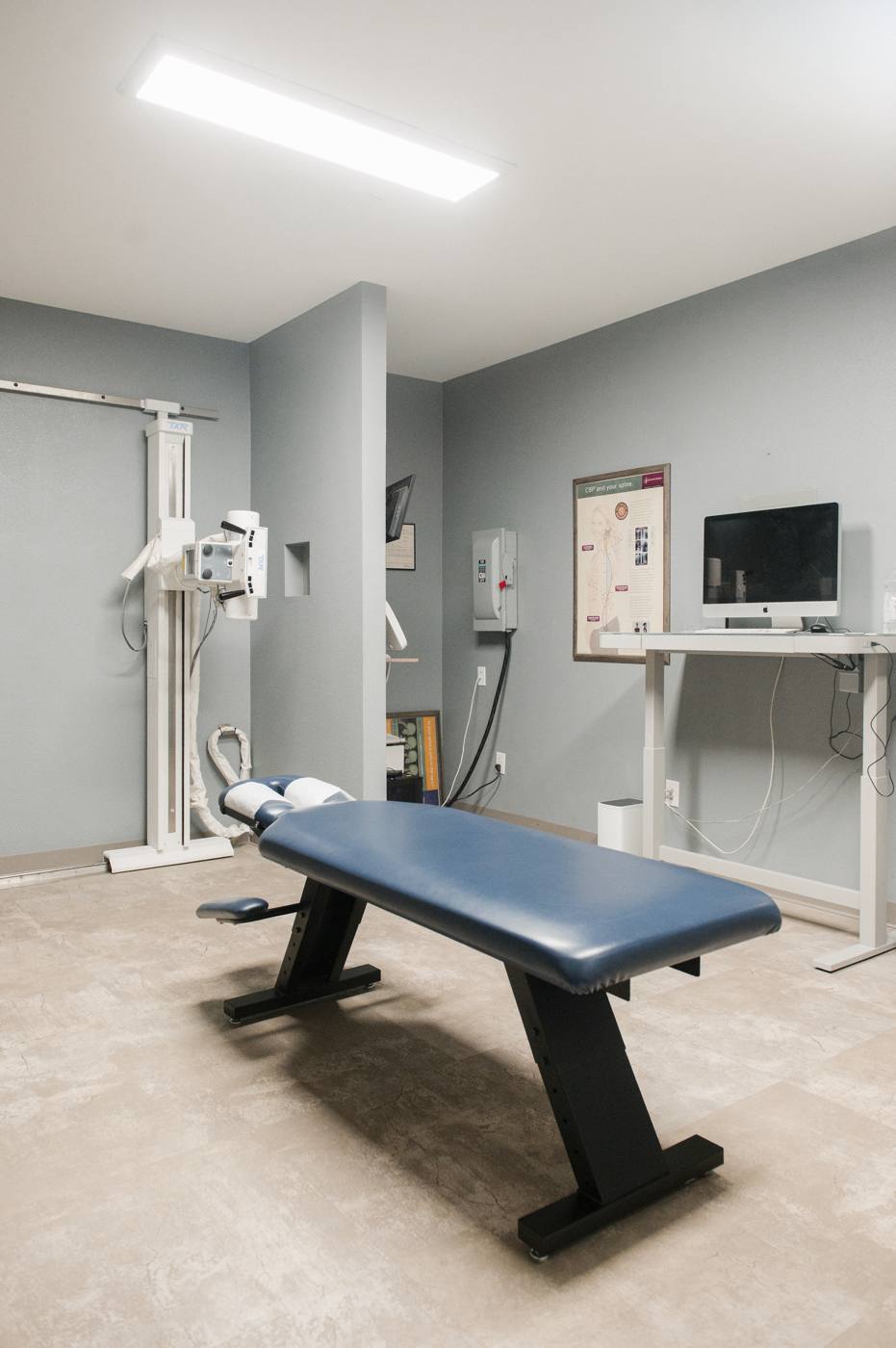
Discuss what you want to change, current eating patterns, and any medical conditions or diet restrictions.
Look at a typical day or week of meals, drinks, and snacks to find a few practical starting points.
Agree on one to three specific, manageable changes rather than a full overhaul.
Revisit what worked and what did not, and adjust the next steps.
Recommendations start from your current habits, schedule, and preferences so changes are realistic.
Advice draws on widely accepted dietary guidelines rather than fad plans or supplements.
Eating patterns are discussed in relation to exercise, recovery, and daily energy.
Medical nutrition needs are recognized and referred to a physician or registered dietitian.
Not in the strict sense. The focus is sustainable eating patterns, not a fixed menu or rapid results.
Not necessarily. Food comes first, and any supplement question should consider your health history and medications.
Eating patterns are one part of weight management, along with activity, sleep, and medical factors. Results differ from person to person.
Conditions such as diabetes or kidney disease need guidance from a physician or registered dietitian. General counseling does not replace that care.
Learn more: MedlinePlus (NIH): Nutrition
Jon Eberle, DC and Chris Hagen, DC, Doctors of Chiropractic, and Peter Lenhart, Director of Rehab.

CBP-Trained Doctor of Chiropractic
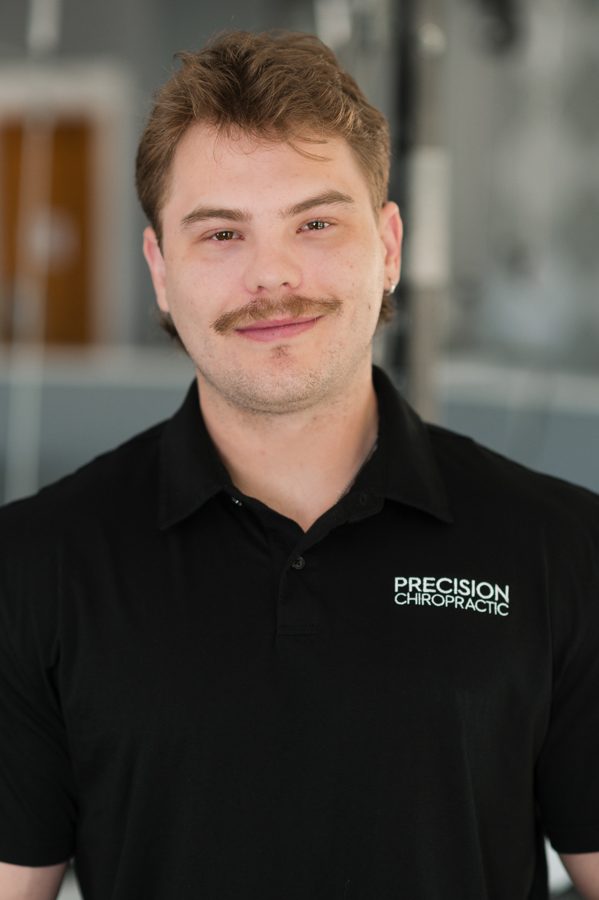
Director of Rehab