
History and evaluation
A provider reviews how the problem started, what you have already tried, and any health factors that would make shockwave a poor fit.
SoftWave is a branded form of extracorporeal shockwave therapy (ESWT). What sets it apart from other shockwave devices is how the wave is made and shaped. Each pulse starts as a high-voltage spark in water, a method called electrohydraulic generation. A parabolic reflector inside the applicator then spreads that energy into a wide, broad-focused field instead of concentrating it at one small point.
That design matters because "shockwave" covers several different technologies. Focused devices aim energy at a narrow spot. Radial devices use air pressure to push a wave that spreads out near the surface, and the manufacturer notes they are not true shockwaves at all. Electromagnetic and piezoelectric devices generate their waves in other ways again. SoftWave sits in its own category: a true acoustic shockwave delivered over a wider area of tissue in each pulse.
The working idea behind any shockwave approach is mechanotransduction, the process by which cells respond to a mechanical signal. The acoustic pulse is a physical stimulus, and tissue reacts to it with changes in local circulation and activity in the surrounding area. Research on shockwave therapy in general is active and still developing, and results vary by condition and by person.
Sessions are short, usually about 10 to 15 minutes, and nothing is injected or cut. Most people feel a pulsing or tapping sensation under the applicator. Before scheduling, a provider reviews your history and the area involved and talks through whether SoftWave makes sense alongside the rest of your care, including how many visits to expect and what to watch for between them.
Softwave is on the therapies and services list at Precision Chiropractic ATX. Your doctor can tell you whether it fits your plan.
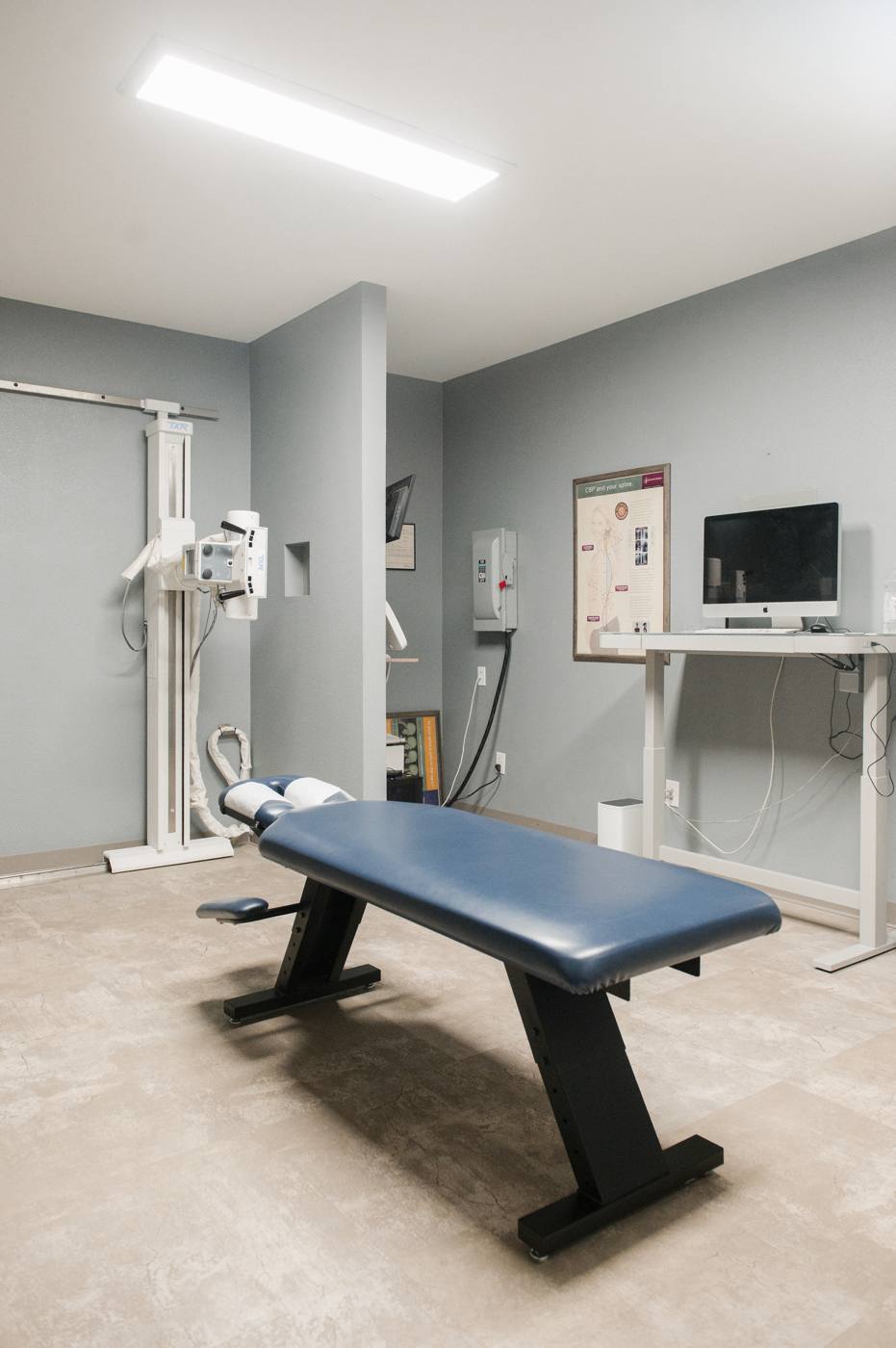
A provider reviews how the problem started, what you have already tried, and any health factors that would make shockwave a poor fit.
The tissue involved is identified by exam, and the applicator position is planned around it.
Gel is applied and the handheld applicator delivers pulses over the area for roughly 10 to 15 minutes.
How the area feels and functions is checked at follow-up visits, and the plan is revised or stopped based on what is observed.
Electrohydraulic, broad-focused waves are a different technology from radial pressure waves or narrow focused devices, so the experience and coverage are not interchangeable.
The reflector spreads energy across a broader zone of tissue rather than a single point, which reduces the need to target one exact spot.
Most sessions take 10 to 15 minutes, with no needles, incisions, or medication involved.
SoftWave is typically used alongside movement, exercise, and other conservative care rather than as a stand-alone answer.
It uses a spark in water to create a true shockwave, then spreads it into a broad field with a parabolic reflector. Radial devices create a pressure wave that stays closer to the surface, and focused devices concentrate energy at a small point.
Most people describe a firm tapping or pulsing feeling. Intensity can be adjusted, and you can say if it becomes uncomfortable.
It varies. The number is set after an evaluation and depends on the area involved and how it responds at follow-up.
No. Certain health conditions, medications, or areas of the body may make shockwave unsuitable. A provider screens for these before any session.
Learn more: SoftWave TRT: manufacturer FAQ on technology and safety
Jon Eberle, DC and Chris Hagen, DC, Doctors of Chiropractic, and Peter Lenhart, Director of Rehab.
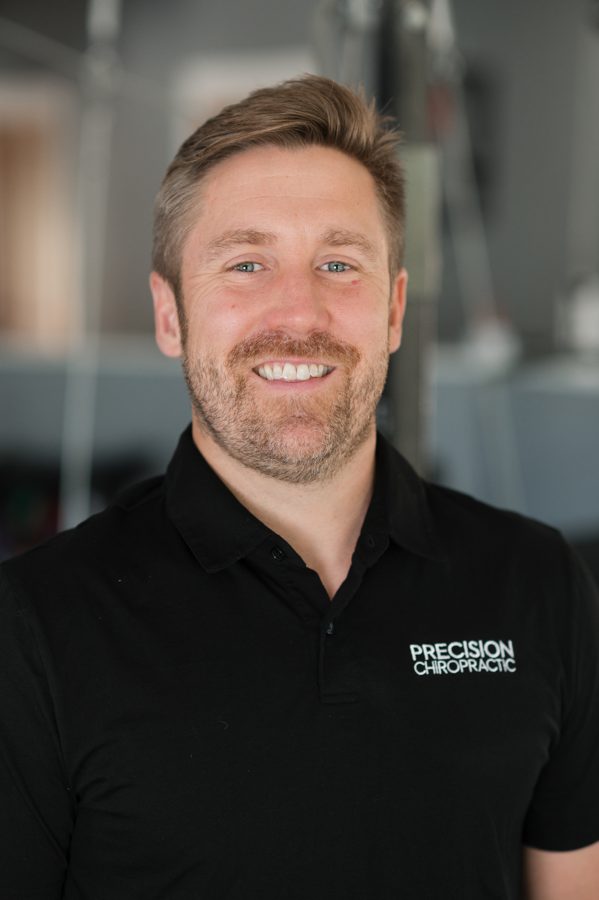
CBP-Trained Doctor of Chiropractic
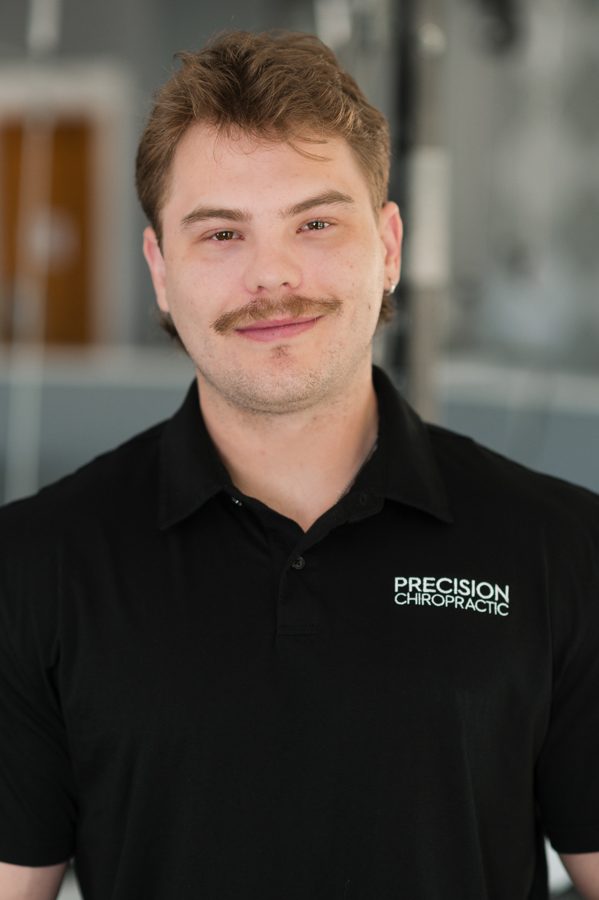
Director of Rehab