
Screen and assess
Review history, medications, and any conditions that would rule out soft tissue work, then examine the area.
Soft tissue mobilization is a broad term for manual techniques applied to muscles, tendons, ligaments, and fascia rather than to joints. It can be done by hand, using pressure, kneading, or stretching movements, or with smooth tools in what is often called instrument-assisted soft tissue mobilization (IASTM). Graston is one well-known branded form of instrument-assisted work.
The aim is usually to reduce the feeling of tightness, address areas of tension or restriction, and make it easier to move through a fuller range of motion. It is commonly paired with stretching and strengthening, because changes in how tissue feels are most useful when followed by active movement.
Evidence for these techniques is mixed. Some reviews report short-term improvements in pain, function, or range of motion, especially with instrument-assisted methods, while other reviews find little meaningful difference compared with other active care. That uncertainty is a good reason to view soft tissue work as one component of a plan rather than the whole plan.
Pressure is adjusted to the person and the area. Some temporary soreness or redness afterward is common, particularly with instrument work. It is not appropriate over open wounds, recent fractures, areas of active infection, or for people with certain bleeding or clotting concerns, so screening comes first.
Soft Tissue Mobilization is on the therapies and services list at Precision Chiropractic ATX. Your doctor can tell you whether it fits your plan.
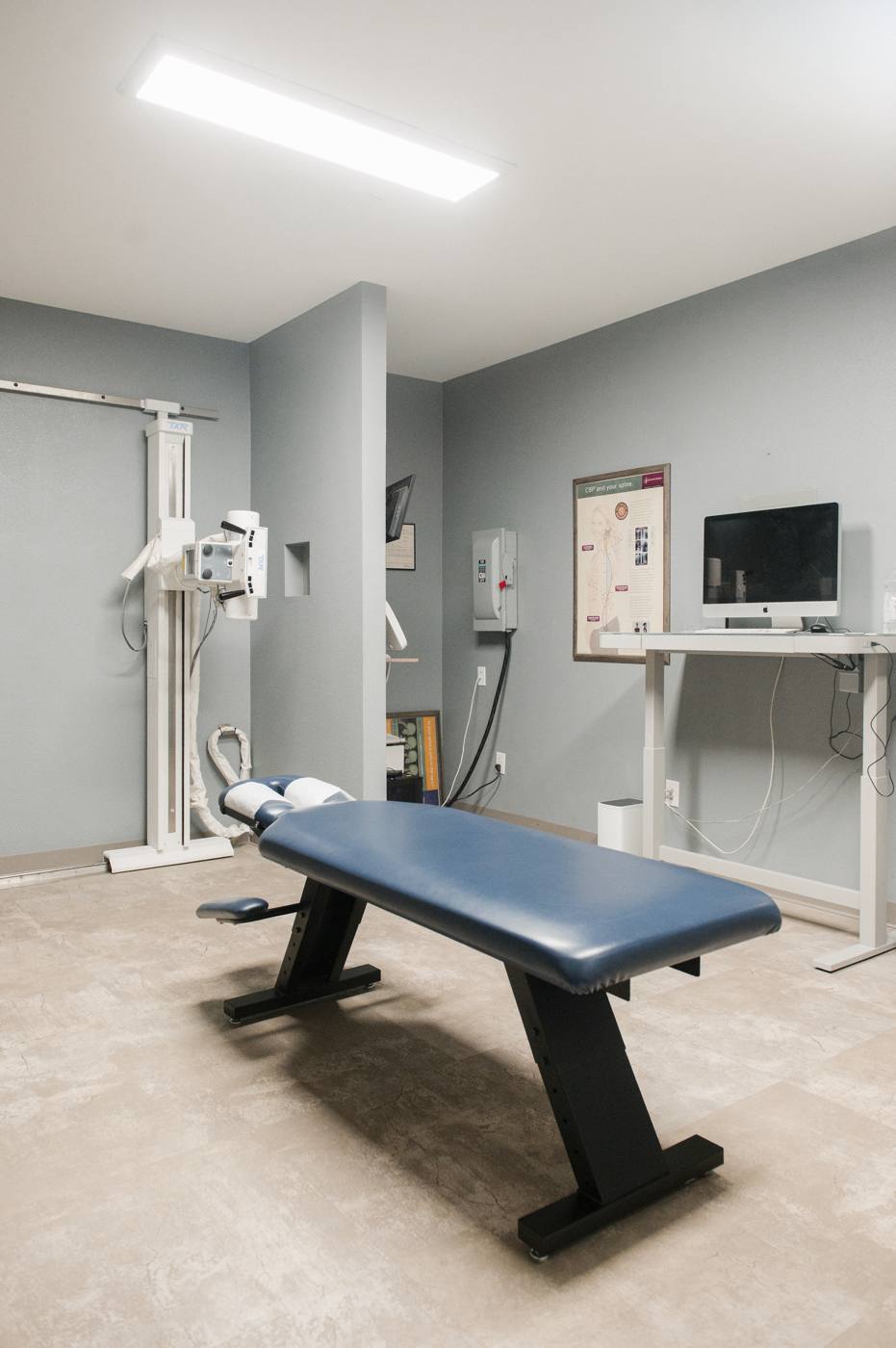
Review history, medications, and any conditions that would rule out soft tissue work, then examine the area.
Locate the muscles or connective tissue that feel restricted or tender.
Apply manual or instrument-assisted techniques at a tolerable pressure.
Add stretching or exercise and review how the area responds.
Work is directed at soft tissues that may feel tight, restricted, or tender.
Soft tissue work is often followed by stretching or exercise to make use of any added range.
Technique and pressure are matched to the area and your comfort.
Manual and instrument-assisted options give flexibility in how an area is addressed.
They overlap, but soft tissue mobilization is usually more targeted to a specific area and paired with movement goals.
Mild soreness or redness for a day or two can happen, especially with instrument work.
Instrument-assisted soft tissue mobilization uses smooth tools to apply pressure. Graston is a branded version of this approach.
People with open wounds, recent fractures, infections, or some bleeding or clotting disorders in the area should avoid it.
Learn more: PMC: Instrument-assisted soft tissue mobilization, systematic review
Jon Eberle, DC and Chris Hagen, DC, Doctors of Chiropractic, and Peter Lenhart, Director of Rehab.
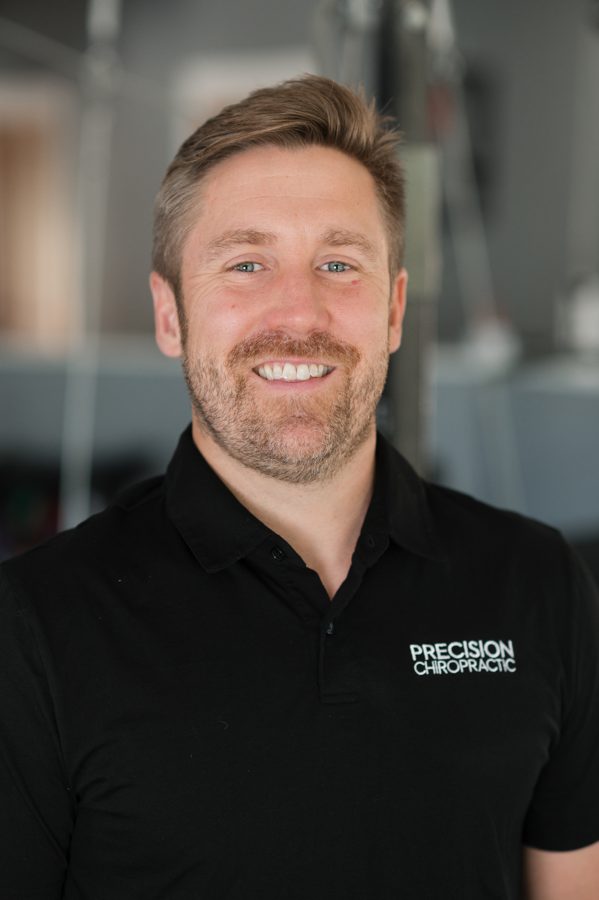
CBP-Trained Doctor of Chiropractic
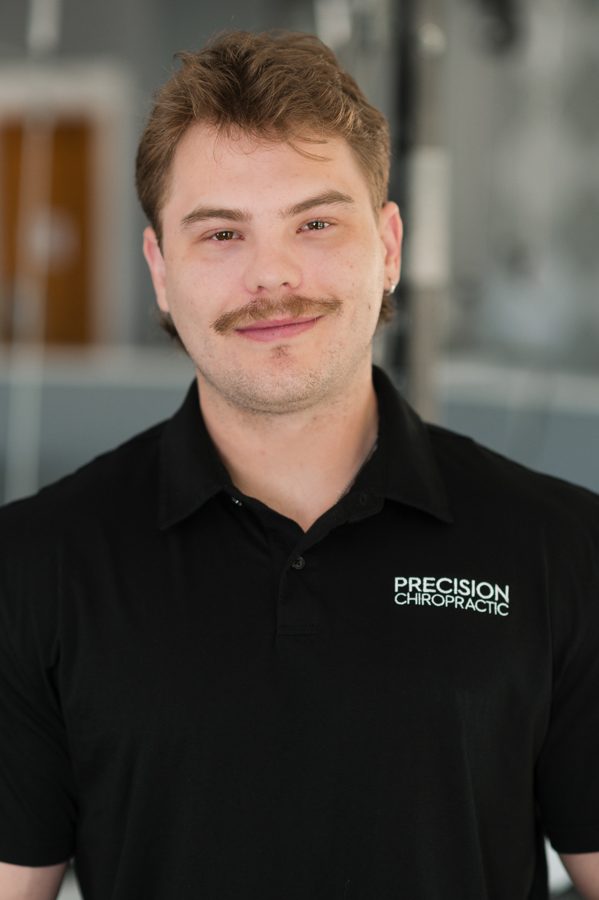
Director of Rehab